
Muslim Chaplaincy
Handbook and Voices of Muslim Women Chaplains in Higher Education
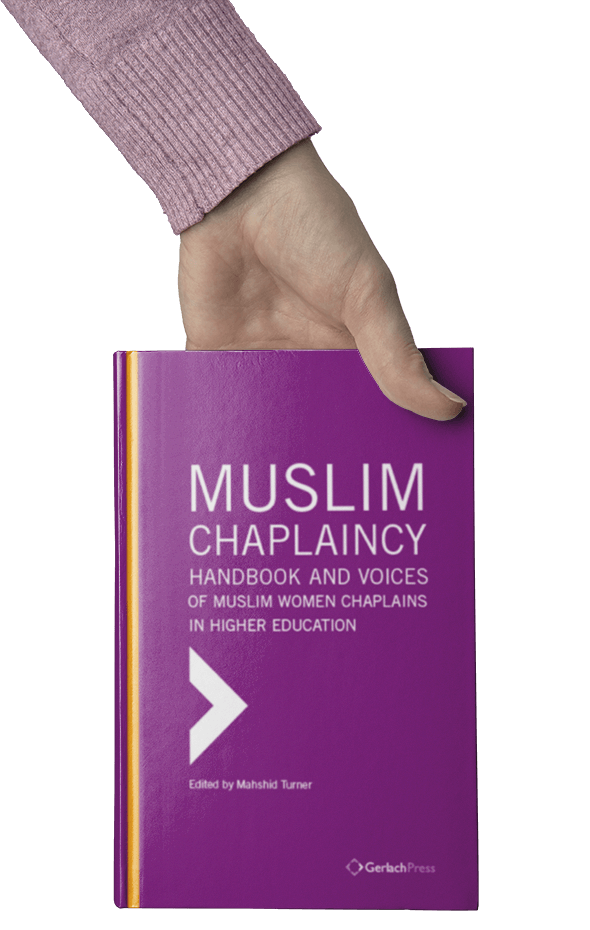
This handbook aims to provide a comprehensive framework for Muslim chaplains to effectively carry out their caregiving roles.
Why Read This Book?
This handbook aims to provide a comprehensive framework for Muslim chaplains to effectively carry out their caregiving roles. Currently, Muslim chaplains often follow either secular or Christian models of reflective practice. To address this gap, Part One of the handbook introduces a much-needed six-step Muslim counselling model designed specifically for Muslim chaplaincy. While this model is primarily tailored for chaplains in higher education, it can be adapted for use by Muslim chaplains in various settings, as well as by all individuals in caregiving roles.
The handbook serves as a guide and reference, focusing on the pastoral principles derived from the six articles of faith in Islam. It illustrates how prophets exemplified these articles of faith in their shepherding roles and includes case studies that highlight the diverse roles of Muslim chaplains as mediators, educators, advocates, and bridge-builders.
While the role of imams is well-known, the significant contributions of women chaplains to the well-being of students and staff often go unrecognized. Therefore, Part Two of this handbook aims to amplify the voices of Muslim women chaplains in higher education within the United Kingdom, showcasing their crucial work and impact.
Chapters We’ve Covered
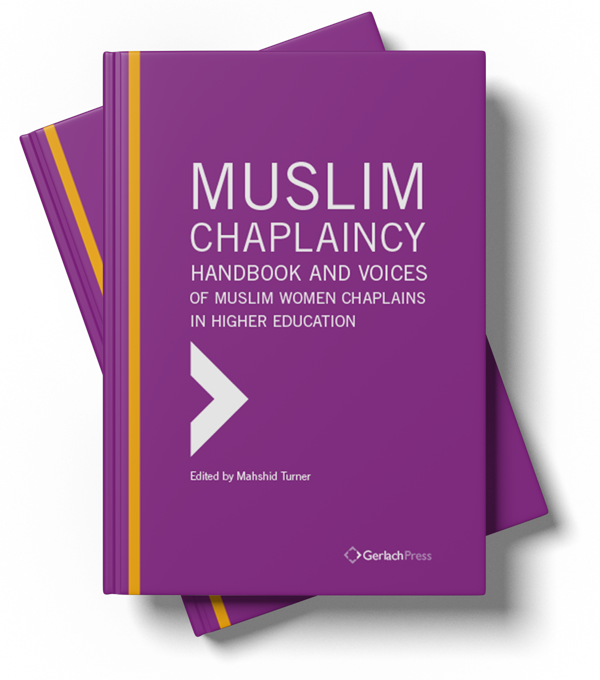
Part 1: Chaplaincy Handbook by Mahshid Turner
Covering History of Christian Chaplaincy; History of Muslim Chaplaincy; Defining Muslim Chaplaincy; The Role of Prophets as ‘Shepherds of Transcendence’; The Character of the Prophets; How Can Muslim Theology be Practised in Pluralistic Settings? What Do Muslim Chaplains Do? Theological Reflection; Critical Reflection , Self-vigilance (murāqaba) and Self-accounting (muḥāsaba); Matters of Concern for Muslim Students and Staff; Pastoral and Spiritual Care: The Shepherding of Muslim Chaplains
Part 2: Voices
You can read the excerpts by clicking on the titles.
Part 3: Interviews
Sabiha Iqbal
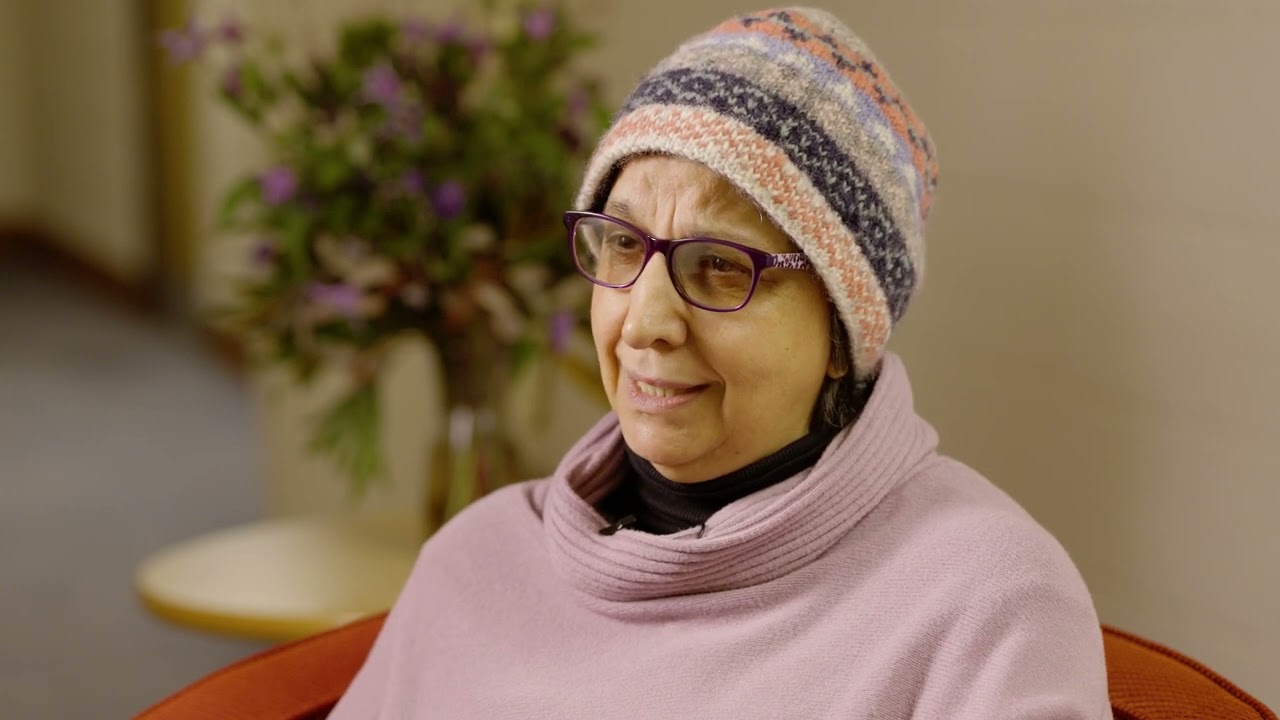
Dr. Mahshid Turner
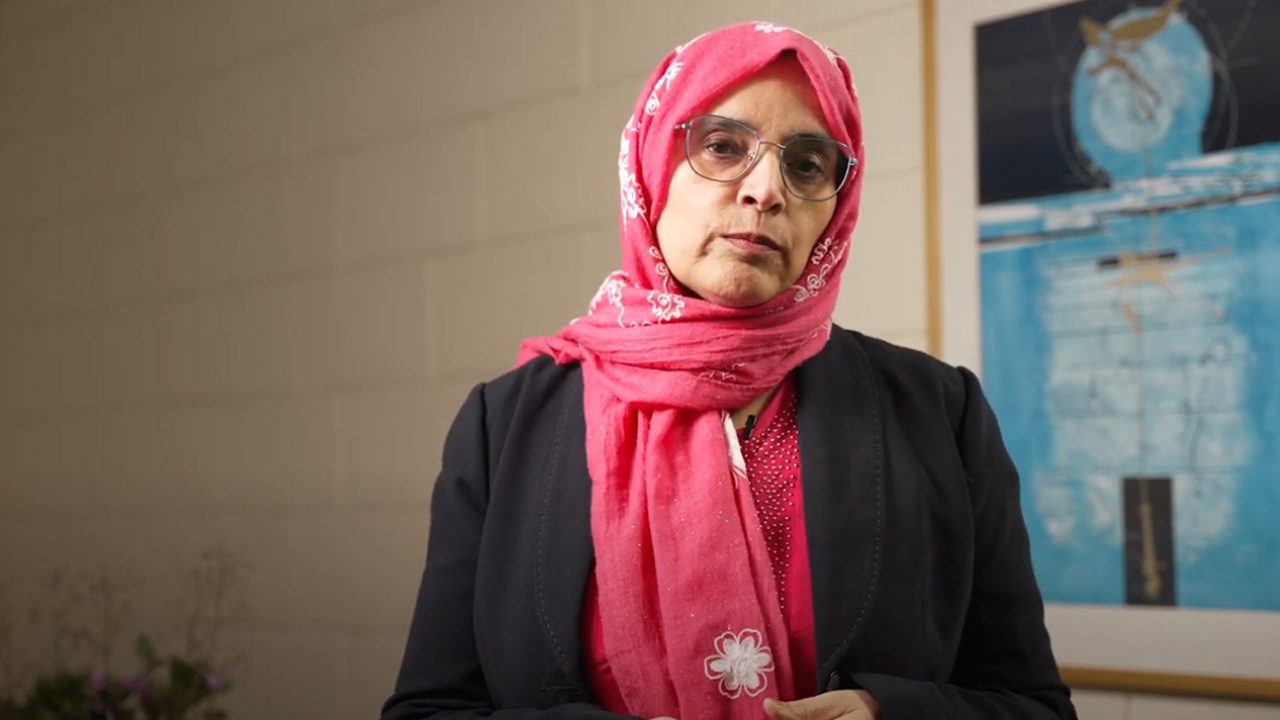
Dr. Amra Bone
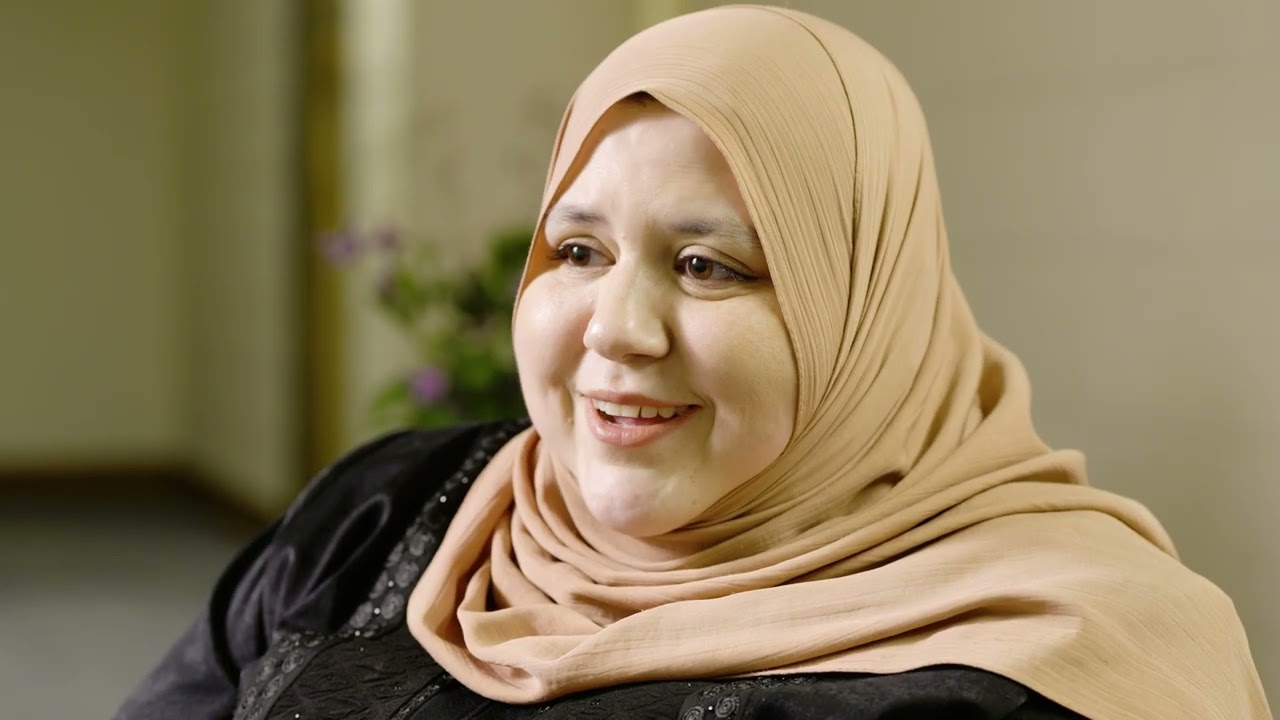
Ameera Bahadur-Kutkut
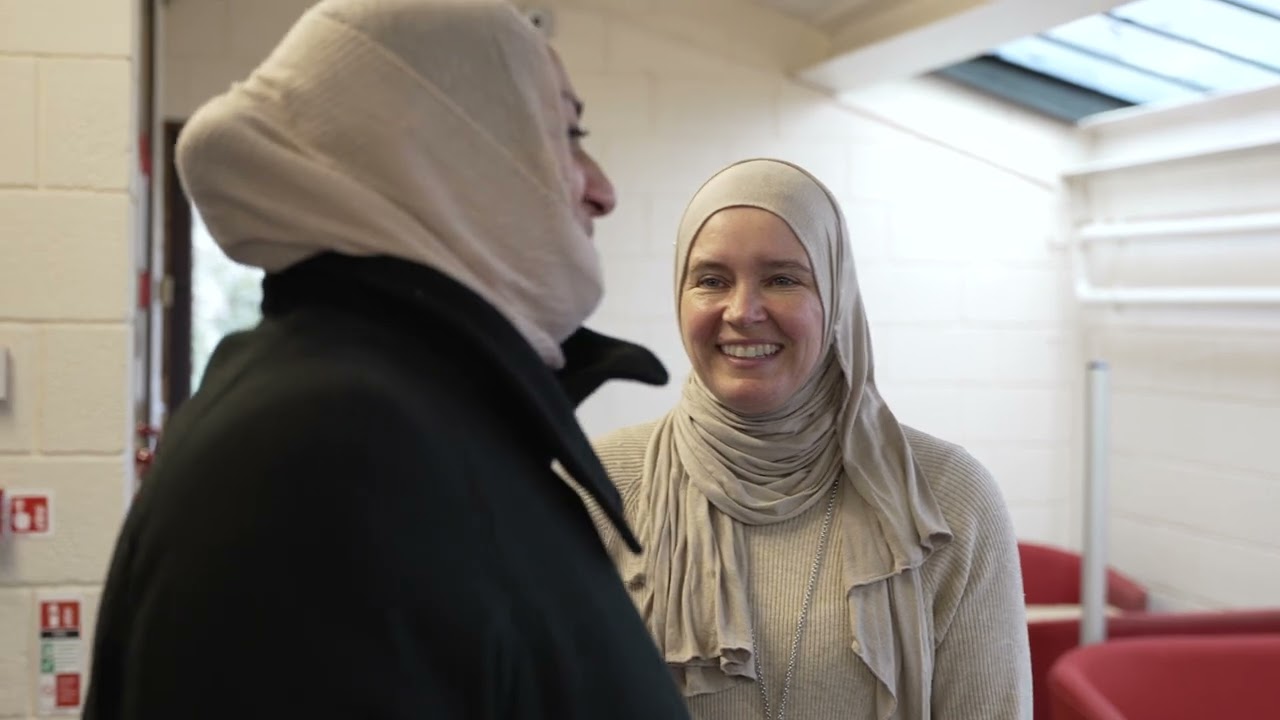
Ameena Blake
East London Mosque and London Muslim Centre
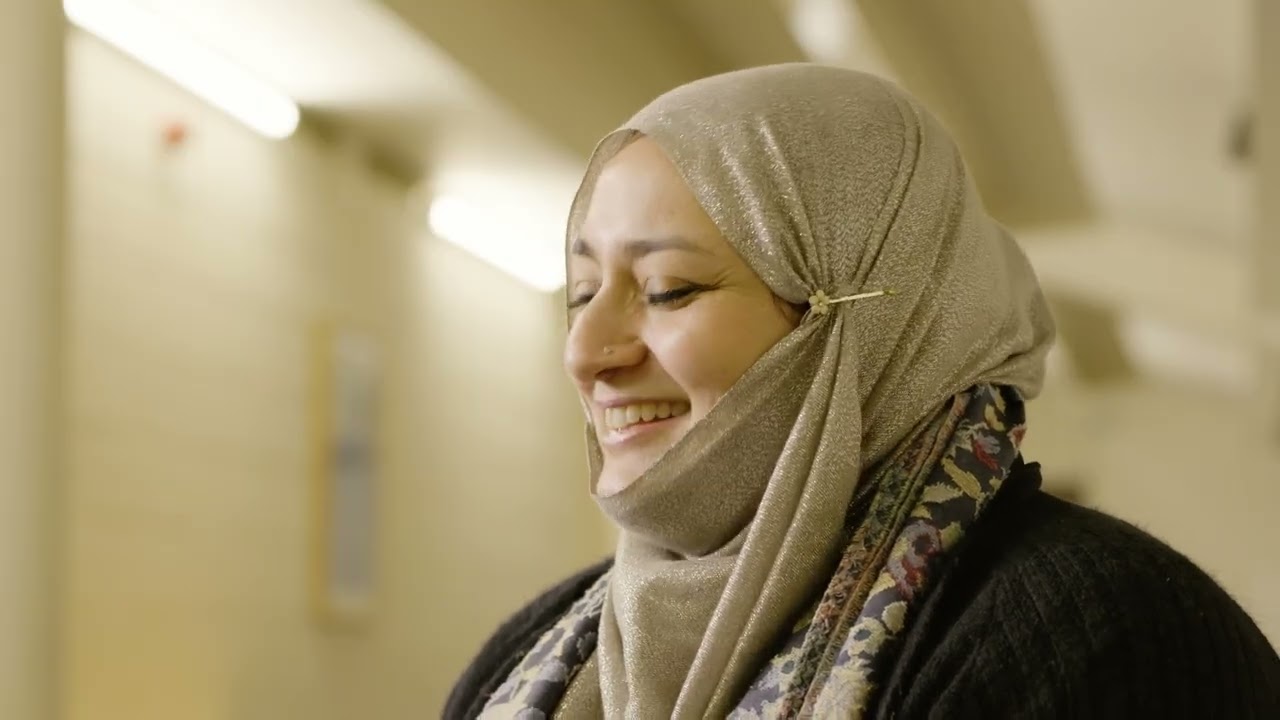
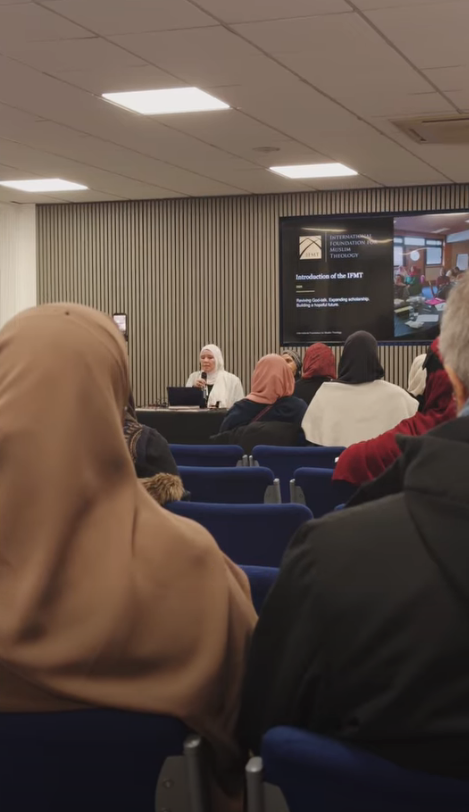
We were honoured to host the launch of Muslim Chaplaincy: Handbook and Voices of Muslim Women Chaplains in Higher Education at the London Muslim Centre.
It was an inspiring event that highlighted the dedication, impact, and lived experiences of Muslim women serving in spaces of care, guidance, and higher education.
Watch Video: https://www.facebook.com/reel/1493077879021197
About the Editor
Dr Mahshid Turner is a freelance researcher and lecturer in Muslim theology. She is the co-founder of the International Foundation for Muslim Theology where she holds the position of Head of Outreach and Education. She is also the Muslim chaplain for Durham University and the first female Muslim chaplain to be appointed in a university in the United Kingdom. Her chaplaincy duties include pastoral care, interfaith activities, organising workshops and giving talks and lectures on Islam.
Her publications include:
- ‘Can the Effects of Religion and Spirituality on Both Physical and Mental Health be Scientifically Measured? An Overview of the Key Sources, with Particular Reference to the Teachings of Said Nursi’, Journal of Religion and Health, 2015
- The Muslim Theology of Huzn: Sorrow Unravelled, Gerlach Press, 2018
- Contributed to The Islam Book, Dorling-Kindersley, 2020
- Muslim Chaplaincy: Handbook and Voices of Muslim Women, Gerlach Press, 2024


About the International Foundation for Muslim Theology (IFMT)
Founded in 2018, the IFMT emerged from a growing concern that discussions about God – the Creator-created relationship – are increasingly absent in both Muslim public discourse and academic spaces. While topics such as God’s laws and Quranic injunctions are widely debated, the foundational question of Divine presence in daily life is often sidelined. This neglect is particularly troubling given the centrality of the Divine in Islamic cosmology, spirituality and ethics.
Originally, our ambition was to “revive Islamic theology,” but it quickly became clear that this phrase was both too broad and too ambiguous. “Islamic theology” is a contested term: what do we mean by it? Is it systematic or speculative? Sacred or academic? More importantly, the very term “Islamic” risks essentialising a diverse and pluralistic tradition of Muslim theological thought.
Thus, rather than attempting to force theology into a rigid academic box, we reoriented our efforts toward promoting what we now call “God-talk” – a more dynamic, accessible and spiritually grounded form of theological reflection. This shift was guided by focus group conversations across a spectrum of Muslim voices, from academics and educators to grassroots believers.